
More Than a Pitch: Why Pinner Rugby Club Is Fighting for Its Future


For more than 70 years, Pinner Rugby Club has provided a place for people in Hatch End to play rugby, build friendships and feel part of their community.
Now, a dispute over pitch maintenance and hire costs has left the club warning that its future is at risk.
Seventy years of community rugby
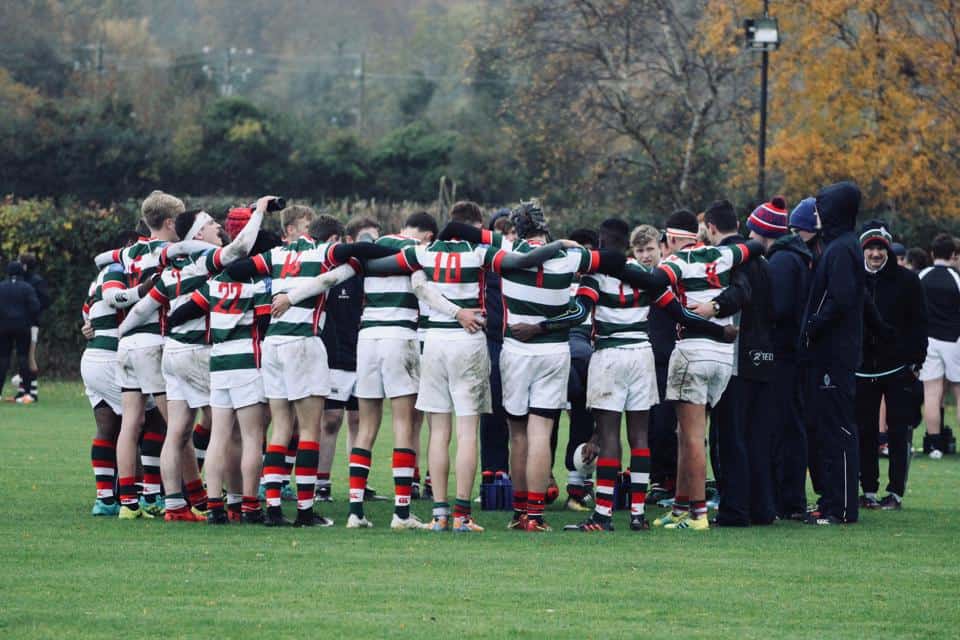
Pinner RFC supports approximately 70 Mini and Junior players, alongside a similar number of senior players.
For the children and adults who attend each week, the club offers much more than training and matches. It provides exercise, discipline, confidence and the opportunity to form friendships across different ages and backgrounds.
Like so many grassroots rugby clubs, Pinner is run on limited resources and relies heavily on volunteers. Its continued existence depends on having somewhere safe and suitable to train and play.
That essential requirement is now at the centre of the club’s dispute with Harrow Council.
The cost of making the pitches playable
According to the club, the usual summer maintenance had not been completed at Shaftesbury Playing Fields by August last year, leaving the pitches unsafe for rugby.
Faced with the prospect of being unable to begin its season, Pinner says it spent £6,000 from its own small budget repairing and maintaining the playing surfaces.
For a community club, that is a considerable amount of money. Funds used to repair pitches cannot also be spent on equipment, coaching, player development or the other costs involved in operating junior and senior rugby teams.
Pinner subsequently asked Harrow Council to offset the £6,000 against its pitch-hire charges. The club says a similar arrangement had been agreed in 2018, but its initial request was refused.
The situation escalated when, according to the club, it was told that the pitches would not be hired to it for the forthcoming season until the outstanding rent had been paid.
Without access to a pitch, the club warned that more than 70 years of local rugby could come to an end.
Community support gathers pace
A petition entitled “Save Pinner Rugby Club from Closure” was launched by Claire Townend, an active club member. At the time of writing, it had attracted more than 1,800 verified signatures.
The appeal calls on Harrow Council to maintain the grounds and continue making the playing fields available to Pinner RFC.
The response demonstrates how deeply people value their local sports clubs. When a grassroots team disappears, the loss is not measured only in cancelled fixtures.
On the petition website, Christopher from Harrow says: “In a world where we can’t seem to get off our phones, how does it make sense to force the closure of a rugby club that gives people of all ages and genders a chance to get outside and do sport. We need more clubs like this not less. Harrow should be promoting community, not destroying it.”
Young players lose trusted coaches and a regular place to be active. Adult players lose an important social network. Volunteers, parents and supporters lose the matchdays, events and shared experiences that connect them to their community.
Once a club has closed, rebuilding those relationships and structures is exceptionally difficult.
Harrow Council responds
There has since been a potentially positive development.
After being approached by Harrow Online, Harrow Council leader Councillor Paul Osborn acknowledged the club’s contribution to the community and said he had instructed officers to offset the money Pinner spent against future pitch hire.
He described the situation as an exceptional case and said the council wanted to resolve the matter urgently so that the club could continue using the facility.
The council has also requested assurances that the club will not undertake future work without prior agreement, allowing the playing fields to be managed for everyone who uses them.
That response offers hope, but the priority must now be turning it into a clear and workable agreement. Pinner needs confirmation that it has access to safe pitches, while the club and council need a shared understanding of who is responsible for maintenance and how any future problems will be addressed.
A wider challenge for grassroots clubs
Pinner’s situation reflects an issue faced by community sports clubs across the country.
Many do not own their grounds and depend on councils, schools or private landowners for access to pitches. When maintenance is delayed, responsibilities are unclear or hire costs increase, even a well-supported club can quickly find itself in a vulnerable position.
Rugby pitches need regular care to remain safe. That requires funding, planning and communication between clubs and the organisations responsible for the land.
Volunteers will frequently step in to solve problems, but small clubs cannot continually absorb thousands of pounds in unexpected maintenance costs.
Protecting more than rugby
There is now an opportunity for Pinner RFC and Harrow Council to find a sustainable way forward.
The council’s commitment to offset the maintenance expenditure is a welcome step. The next objective should be securing the pitches and establishing a long-term maintenance arrangement that gives the club confidence about its future.
This is about more than protecting a patch of grass.
It is about preserving a 70-year community institution, supporting approximately 140 children and adults, and ensuring future generations in Hatch End still have somewhere to discover rugby.
Pinner Rugby Club has shown how much it is prepared to do to keep the game going. It now needs the certainty and cooperation required to continue doing so.




Responses